First Minute or Bust: How Streaming Shows Are Built to Grab You Before You Can Blink
Somewhere between pressing play and deciding to bail, there's a window. It's roughly sixty seconds long. And every writer, director, editor, and platform executive in Hollywood is thinking about it constantly.
The cold open — that pre-title-sequence burst of action, intrigue, or weirdness that kicks off an episode before the show even tells you its name — has been around for decades. But streaming has transformed it from a storytelling device into something closer to a survival mechanism. On a platform where the next show is literally one click away, that first minute isn't just a creative choice. It's a retention strategy.
When the Back Button Became the Enemy
Traditional TV had a built-in advantage that streaming quietly demolished: inertia. You were already sitting on the couch, the channel was already on, and changing it required actual effort. Streaming flipped that equation entirely. Now the path of least resistance is leaving, not staying. Your thumb is already hovering.
Platform data has made this painfully clear to creators. Viewership drop-off in the first sixty to ninety seconds of an episode is measurable, significant, and directly tied to whether a show gets renewed or quietly buried in the algorithm. Editors and showrunners have described getting notes from streaming platforms that are essentially: we're losing people here, fix it.
The result is a wholesale restructuring of how stories get told — starting from the very first frame.
The Architecture of a Perfect Cold Open
Ask a screenwriter what makes a great cold open and you'll get a dozen different answers, but a few principles keep surfacing.
Conflict first, context later. The old model of television storytelling liked to ease you in — establish the world, introduce the characters, then get to the drama. Streaming has largely abandoned that approach for prestige content. Instead, you get dropped into the middle of something already burning. A character is running. A deal is going sideways. Someone is lying to someone else's face. You don't know why yet, and that's the point. Curiosity is the hook.
Tone as a promise. A cold open isn't just about plot — it's about telling the audience what kind of show they're watching. The opening minutes of Succession didn't just introduce Logan Roy; they told you exactly how uncomfortable and darkly funny the next ten episodes were going to feel. Get the tone wrong in that first minute, and you've misled your audience even if you've technically hooked them.
The question that can't be ignored. The best cold opens plant something unresolved in your brain — a mystery, a threat, an image that doesn't quite make sense yet. It doesn't have to be a cliffhanger. It just has to be something your mind wants to return to. That's the invisible thread that pulls you through the title sequence and into the episode proper.
Reality TV Got There First
It's easy to think of the cold open as a prestige drama invention, but reality television has been ruthlessly engineering those opening moments for years. Competition shows figured out quickly that you front-load your most dramatic clip — the tearful elimination, the jaw-dropping performance, the contestant meltdown — right at the top, before the recap, before the credits, before anything.
That structure has quietly bled into scripted content. The boundary between reality TV editing logic and prestige drama pacing has gotten genuinely blurry, and streaming is the reason. Both formats are solving the same problem: keep the viewer from leaving before the story has a chance to matter.
Writers in the Pressure Cooker
For screenwriters, the cold open mandate has created a specific kind of creative anxiety. The first pages of a pilot script used to be about world-building. Now they're about engineering an emotional event. Some writers describe it as writing the trailer before you write the movie — you need to know what your single most compelling moment is and figure out how to put it first.
That's not always a natural fit for every story. Slower-burn narratives, character studies, anything that requires patience from an audience — these formats are genuinely harder to execute in the streaming era because the algorithm doesn't reward patience. It rewards immediate engagement. A few acclaimed shows have pushed back on this, deliberately opening with quieter, stranger moments designed to create unease rather than excitement. But those are the exceptions, and they tend to come from creators with enough leverage to fight for unconventional choices.
For everyone else, the pressure is real: if your first minute doesn't work, your show might not either.
Editing as the Last Line of Defense
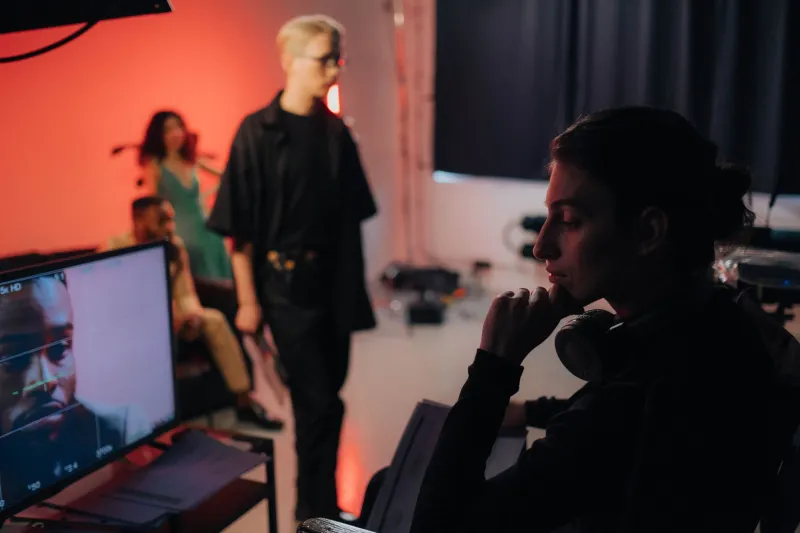
Editors have become unlikely heroes in the cold open arms race. Post-production teams are frequently tasked with restructuring episode openings after the fact — pulling a scene from the middle of an episode and placing it at the top, reordering sequences, cutting down exposition that tested poorly with early audiences.
This kind of structural surgery used to be rare. Now it's almost standard practice on major streaming productions. The logic is simple: if the footage exists and the opening isn't landing, you move things around until it does. The story can be retooled in the edit even if it couldn't be fixed in the script.
What this means in practice is that the cold open you actually watch is often not the one the writer originally intended. It's the one that survived the data.
What Gets Lost When Every Show Starts at Full Volume
There's a real cost to optimizing everything for immediate engagement. When every show opens at maximum intensity, the dynamic range of storytelling starts to collapse. If every first minute is designed to be the most gripping sixty seconds possible, the concept of building to something — of earning a dramatic moment through patience and setup — becomes harder to execute.
Some of the most iconic television moments in history worked precisely because they took their time. The tension was constructed over episodes, sometimes seasons. That kind of storytelling asks something of the audience: trust me, we're going somewhere. Streaming's cold open obsession implicitly argues that audiences won't extend that trust anymore. Whether that's actually true, or whether platforms have just trained viewers to expect it, is a question the industry is still working out.
The 60-Second Contract
What the cold open really represents is a new kind of agreement between a show and its audience. In sixty seconds or less, a series is making a pitch: here's what we are, here's what we're offering, here's why you should stay. It's a contract written in tone, image, and narrative tension.
Get it right, and the viewer settles in. Get it wrong, and they're gone before the opening credits finish rolling.
Hollywood has always understood the importance of a strong opening. But streaming has raised the stakes to a level where that first minute isn't just important — it's existential. The shows that survive are the ones that figured out how to make sixty seconds feel like a reason to stay for ten hours.
Everything else is just content waiting to be skipped.